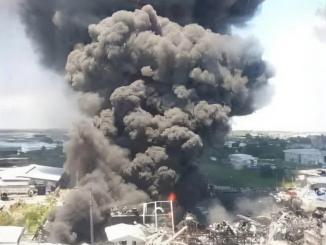
Aviation safety and emergency evacuation protocols represent the most critical components of modern commercial airline operations, ensuring that passengers and crew members can rapidly exit an aircraft during a sudden ground crisis. When a commercial airplane experiences an unexpected engine malfunction or a localized fire on the tarmac, the immediate and highly coordinated response of the flight crew is vital to preventing injuries. Emergency slide deployment is an incredibly precise engineering feat designed to allow hundreds of passengers to vacate a smoke-filled cabin within a matter of seconds under extreme stress. The sight of thick gray smoke billowing from a massive jet engine highlights the inherent risks associated with high-pressure aviation technology and the absolute necessity of strict maintenance routines. Flight attendants undergo rigorous, continuous training to handle high-stakes evacuation scenarios, directing chaotic crowds with authoritative commands to maintain order and speed during a crisis.
Passengers escaping a dangerous aircraft environment often experience a profound rush of adrenaline, leading to varied physical reactions as they navigate the steep descent down inflatable rescue slides. Maintaining clear pathways on the airport apron or runway during an emergency landing or ground evacuation is essential to allow local airport fire departments and rescue vehicles immediate access to the stricken vessel. Airport first responders and specialized firefighting teams are equipped with advanced foam-suppression vehicles specifically designed to neutralize volatile jet fuel fires and cool down overheating engine components rapidly. The physical dynamics of an emergency evacuation require individuals to leave all personal belongings behind, as grabbing luggage can severely bottleneck narrow aisles and delay the survival of others. When individuals slide down to the concrete tarmac, they must quickly scramble to their feet and run a safe distance away from the aircraft to avoid potential secondary explosions or toxic smoke inhalation.
Modern commercial aircraft are heavily outfitted with redundant safety features, including flame-retardant cabin materials, emergency floor lighting, and highly visible exit markings to guide passengers during low-visibility conditions. Aviation regulatory bodies continuously analyze real-world evacuation footage and flight data recordings to update global safety standards, modify aircraft design, and improve passenger briefing videos. The emotional trauma experienced by travelers during a real-life aviation emergency can have lasting psychological effects, underscoring the need for comprehensive post-incident care and support from airline management. Effective communication between the cockpit crew, air traffic control towers, and ground handling operations ensures that emergency services are pre-staged and ready before a distressed aircraft even comes to a complete stop.
The structural integrity of modern jet engines includes robust containment rings designed to prevent catastrophic failures from sending dangerous shrapnel through the main fuselage or fuel tanks during an internal breakdown. Public awareness regarding airline safety procedures is continuously reinforced through mandatory pre-flight announcements, though many passengers only realize their true value during an actual operational emergency. Airport infrastructure must include wide, unobstructed safety zones and highly efficient drainage systems to handle the large volumes of water and chemical foam utilized during airfield firefighting operations. Witnessing a crowded airliner evacuate on a busy runway serves as a stark reminder of the fragile balance between advanced human engineering and the unpredictable nature of mechanical systems.
As global air travel demands continue to steadily rise, the implementation of automated passenger tracking systems and advanced cabin monitoring technologies becomes increasingly crucial for optimizing emergency response times. Every successful evacuation where major injuries are completely avoided stands as a testament to the decades of hard work, engineering innovation, and safety culture embedded within the modern aviation industry. The rapid clearance of a compromised runway allows the broader airport ecosystem to resume normal operations, minimizing costly secondary delays and restoring global logistics flows. Ultimately, safeguarding human life in the skies and on the ground requires a deeply ingrained, proactive commitment from manufacturers, airlines, regulators, and passengers alike to ensure the highest standards of transit security. By prioritizing these foundational elements of aviation governance, the international travel sector can successfully maintain public confidence while continuously pushing the boundaries of global connectivity and technological excellence.